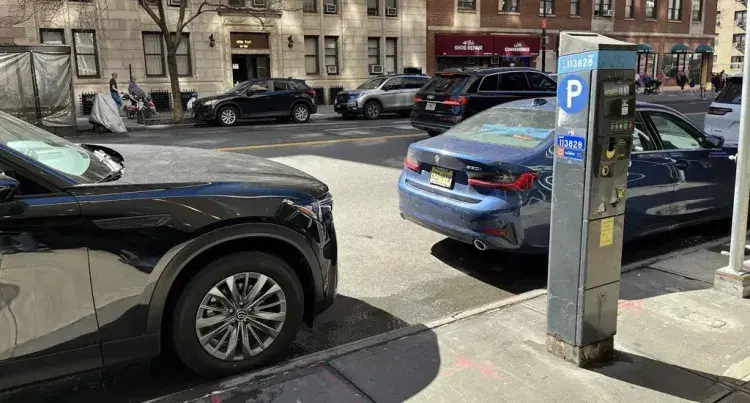
Real-Time Street Parking in NYC: How It Really Works
When people talk about “real-time street parking” in NYC, it usually sounds better than it actually is. Most drivers imagine an app that magically shows open spots waiting just for them. In reality, street parking in New York doesn’t work that way — and understanding why makes it easier to find parking without frustration.
Street parking in NYC is constantly changing. A spot doesn’t exist until someone leaves, and once it opens, it’s usually gone within seconds. That’s why traditional parking maps and rule-based apps struggle to help. They can tell you where parking might be allowed, but not when a space is actually opening.
True real-time parking isn’t about static maps — it’s about timing and visibility.
Most experienced NYC drivers already understand this instinctively. They don’t just look for empty spots. They watch for brake lights, trunks opening, people loading groceries, or cars idling with hazards on. Parking success often comes from catching someone in the act of leaving, not discovering an empty curb by chance.
This is where the idea of real-time street parking starts to make sense. Instead of guessing, real-time systems focus on signals — information that a spot is about to become available. Knowing that someone nearby is leaving changes everything. You stop circling. You stop rushing. You stop making risky parking decisions.
The problem is that most parking tools don’t capture this moment. They rely on historical data or estimated availability, which doesn’t reflect what’s happening right now on the street.
Newer approaches to real-time parking aim to solve this by connecting drivers directly. When a driver knows they’re leaving a spot, that information becomes valuable to someone searching nearby. It turns parking from competition into coordination.
Of course, real-time parking doesn’t override the rules. Drivers still need to read signs, follow street cleaning schedules, and park legally. But having better timing information reduces stress and helps people make calmer decisions.
In a city like New York, where curb space is limited and demand is constant, real-time street parking isn’t about guarantees — it’s about reducing uncertainty. And when uncertainty goes down, parking becomes a lot more manageable.
Finding parking in NYC will never be easy, but understanding how real-time parking actually works gives drivers a real advantage.
Check out ParkingSwap.